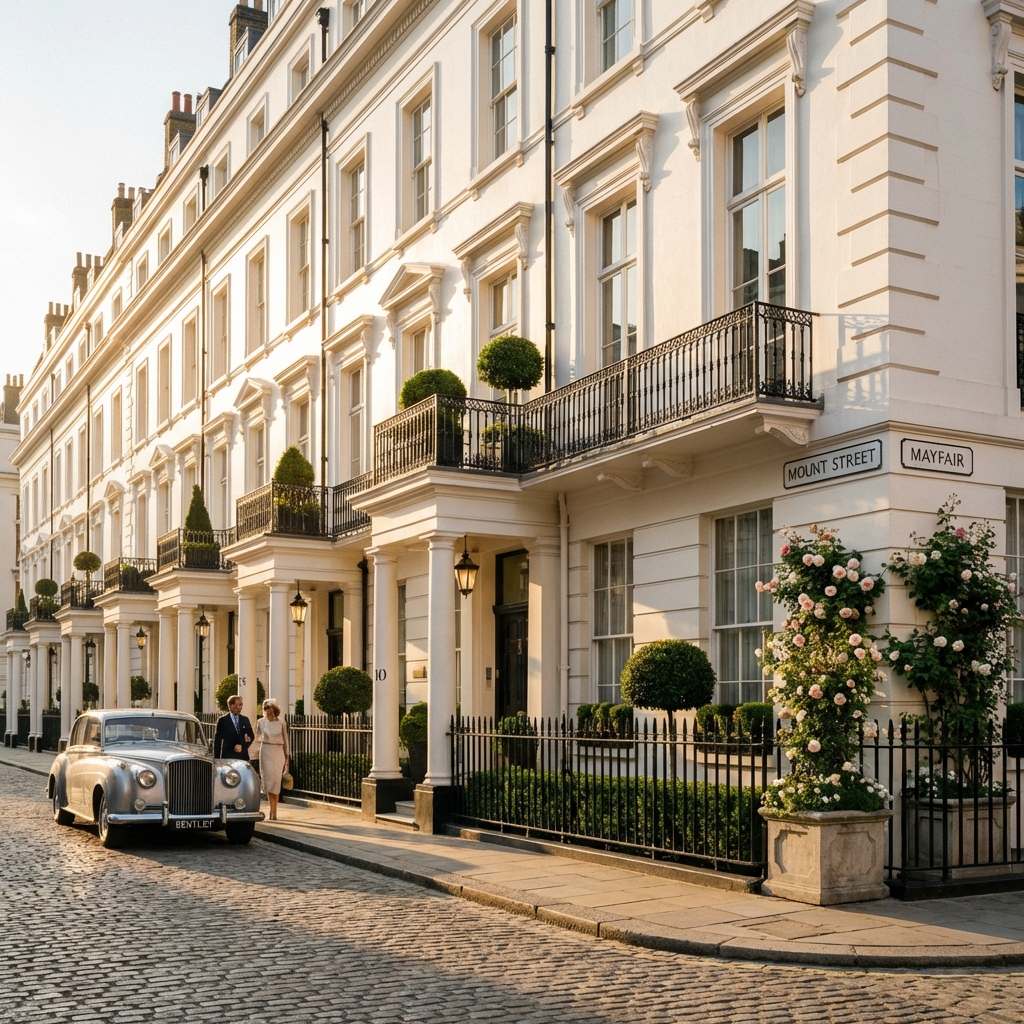
Statistics on UK property demand show that the first jump in London apartment prices came in the mid 1980s, when prominent Arab families, among them the famous millionaire Al-Fayed, were buying property in England. The late 1990s through 2004 belonged to Russian investment flows, as buyers from Russia purchased property in huge quantities and pushed prices to soaring heights. Today the London market is split evenly between domestic companies and individuals on one side and international investors on the other, and property in London, one of the most prestigious and accessible cities for buying real estate, is still a sought-after prize for many.
Over the past twenty years, the cost of houses and apartments in London's most prestigious districts has grown almost seven-fold. Prices in London rise by 3% to 10% a year, particularly in areas such as Mayfair, Belgravia, Knightsbridge, Kensington and Chelsea. Fees for conveyancing solicitors, who make the deals happen, have grown along with them. One-bedroom apartments are considered the most affordable. Prices have climbed so high that no one is surprised by a 900,000 pound price tag on a one-bedroom flat, and a decent two-bedroom apartment of about 124 square meters now averages somewhere between 1.5 and 2 million pounds. Small Victorian-style houses in London start from 10 million pounds, and townhouses are cheaper at 2.9 million. Properties like these are rarely bought as investments. They are bought to show the owner's prestige and status.
Cheaper, and therefore less prestigious, properties lie in North London. The first areas to consider are Regent's Park and Hampstead, where prices run about 20% below comparable properties in central London. East London can be a sensible direction as well if you plan to spend a great deal, particularly around Kew Gardens and Richmond. Most of the property in these areas has a rich aristocratic history, and the houses there are often bought by world-famous celebrities and businesspeople.
The most controversial area when it comes to prestige is Docklands. Developers and investors are building there on a large scale and working hard to give the district a prestigious status. The effort is aimed mainly at foreign buyers, since native Britons refuse to accept it as an elite address. For that reason, realtors have grounds to believe property in Docklands is undervalued, and price growth in this part of London is expected to be roughly 25% to 30%.
The price of London apartments also depends on how close they are to transport hubs. The rail network includes the London Underground, National Rail and surface trains, and the system is integrated into a single network, so it hardly matters which station your apartment is near. Being close to a major transport hub is already a big advantage. All trains run on schedule, with comfortable service and single tickets that work throughout.